राजनैतिक जीवन
1957

राजनीति में प्रवेश
श्री अर्जुन सिंह के राजनीतिक जीवन की शुरुआत तब हुई जब उन्हें मझौली, मध्य प्रदेश से निर्दलीय विधान सभा सदस्य (विधायक) के रूप में चुना गया। इस प्रारंभिक जीत ने उन्हें मजबूत जनसमर्थन के साथ एक जमीनी नेता के रूप में स्थापित किया। कम उम्र में राजनीति में उनके प्रवेश ने सार्वजनिक सेवा, शासन और सामाजिक परिवर्तन के प्रति आजीवन प्रतिबद्धता की नींव रखी।
1960

भारतीय राष्ट्रीय कांग्रेस में शामिल हुए
1960 में, श्री अर्जुन सिंह उस समय भारत की सबसे प्रमुख राजनीतिक पार्टी, भारतीय राष्ट्रीय कांग्रेस में शामिल हो गए। इस निर्णय ने उनके करियर में एक महत्वपूर्ण मोड़ ला दिया, जिससे उन्हें वरिष्ठ नेताओं के साथ काम करने और राज्य तथा राष्ट्रीय नीतियों को आकार देने में सक्रिय रूप से भाग लेने का अवसर मिला। कांग्रेस की विचारधारा के साथ उनके जुड़ाव ने जीवन भर सामाजिक न्याय और शिक्षा सुधार पर उनके प्रगतिशील रुख को प्रभावित किया।
1967

शिक्षा मंत्री, मध्य प्रदेश
सीधी से कांग्रेस के टिकट पर चुने जाने के बाद, श्री अर्जुन सिंह को मध्य प्रदेश सरकार में शिक्षा मंत्री नियुक्त किया गया। अपने कार्यकाल के दौरान, उन्होंने ग्रामीण क्षेत्रों में शिक्षा की पहुँच का विस्तार करने, बुनियादी ढाँचे को बढ़ाने और समावेशी शैक्षिक नीतियों को बढ़ावा देने की दिशा में काम किया। उनका ध्यान यह सुनिश्चित करना था कि गुणवत्तापूर्ण शिक्षा समाज के सबसे वंचित वर्गों तक भी पहुँचे।
1980

मध्य प्रदेश के मुख्यमंत्री (पहला कार्यकाल)
1980 में, श्री अर्जुन सिंह चुरहट से फिर से चुने गए और पहली बार मध्य प्रदेश के मुख्यमंत्री बने। उनके नेतृत्व में महत्वपूर्ण प्रशासनिक सुधार, ग्रामीण विकास पर ध्यान और औद्योगिक विकास को बढ़ावा मिला। उन्होंने जल्द ही एक गतिशील और जन-केंद्रित नेता के रूप में ख्याति प्राप्त कर ली, जिन्होंने आर्थिक प्रगति के साथ-साथ सामाजिक विकास पर भी जोर दिया।
1983
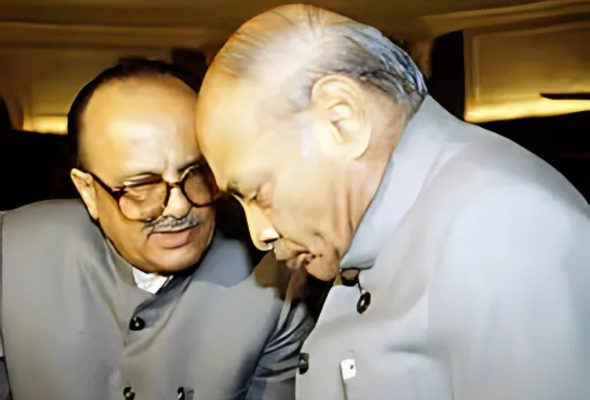
फूलन देवी के आत्मसमर्पण का निरीक्षण
मुख्यमंत्री के रूप में उनके पहले कार्यकाल के दौरान सबसे उल्लेखनीय घटनाओं में से एक कुख्यात डकैत फूलन देवी का शांतिपूर्ण आत्मसमर्पण था। यह एक रणनीतिक और मानवीय दृष्टिकोण के माध्यम से हासिल किया गया था, जिसमें रक्तपात से बचा गया और कानून व्यवस्था में जनता के विश्वास को मजबूत किया गया। इस तरह की नाजुक और हाई-प्रोफाइल स्थिति को कूटनीतिक तरीके से संभालने के लिए श्री अर्जुन सिंह की प्रशंसा की गई।
1984
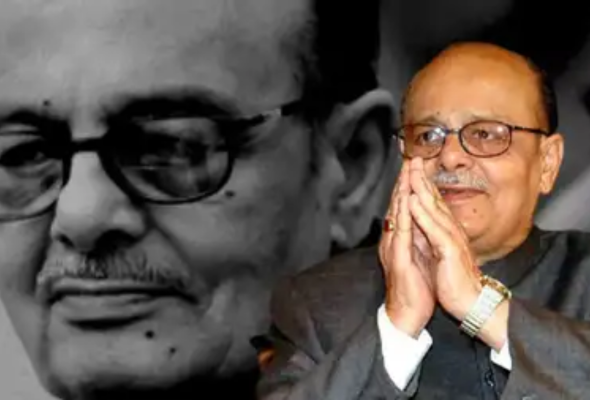
भोपाल गैस त्रासदी के दौरान नेतृत्व
मुख्यमंत्री के रूप में, श्री अर्जुन सिंह ने इतिहास की सबसे भीषण औद्योगिक आपदाओं में से एक — भोपाल गैस त्रासदी का सामना किया। उनका प्रशासन आपातकालीन प्रतिक्रिया और राहत कार्यों के केंद्र में था। हालाँकि इस त्रासदी ने भारी चुनौतियाँ पेश कीं, लेकिन उन्होंने सहायता के समन्वय, सार्वजनिक स्वास्थ्य प्रतिक्रियाओं के प्रबंधन और पीड़ितों के लिए दीर्घकालिक पुनर्वास शुरू करने के लिए केंद्रीय एजेंसियों के साथ मिलकर काम किया।
1985
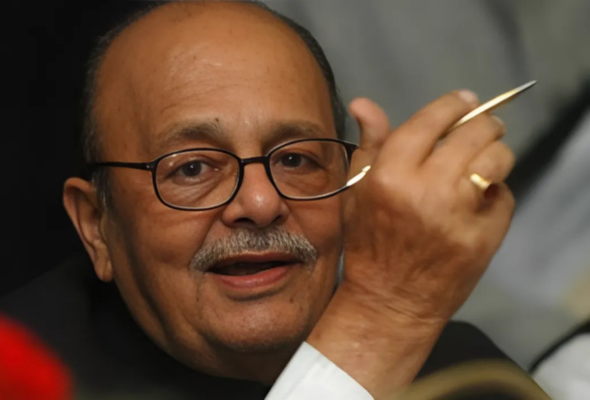
राज्य से राष्ट्रीय मंच तक
मुख्यमंत्री पद से इस्तीफा देने के बाद, राजनीतिक उथल-पुथल के दौर में श्री अर्जुन सिंह को पंजाब का राज्यपाल नियुक्त किया गया। उन्होंने राज्य में शांति बहाल करने के उद्देश्य से राजीव-लोंगोवाल समझौते को लागू करने में महत्वपूर्ण भूमिका निभाई। उसी वर्ष बाद में, उन्होंने राष्ट्रीय राजनीति में कदम रखा, दक्षिण दिल्ली से उपचुनाव जीता और लोकसभा में संसद सदस्य बने। इसने राष्ट्रीय नीति-निर्माण पर उनके बढ़ते प्रभाव को चिह्नित किया।
1986
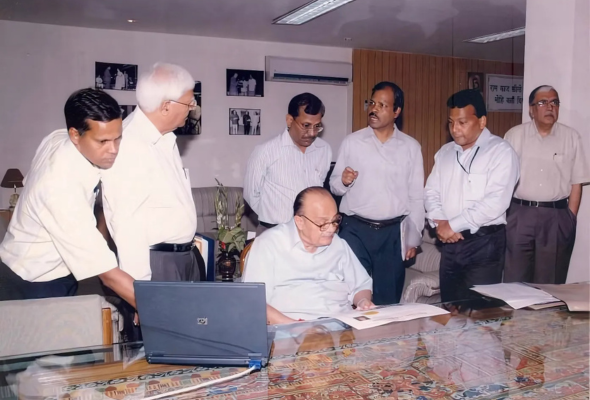
केंद्रीय संचार मंत्री
उन्हें भारत के बढ़ते दूरसंचार और डाक क्षेत्रों की देखरेख करने वाले केंद्रीय संचार मंत्री के रूप में नियुक्त किया गया था। ऐसे समय में जब भारत तकनीक को अपनाना शुरू कर रहा था, श्री अर्जुन सिंह के मंत्रालय ने सेवाओं को आधुनिक बनाने और देश भर में संचार की खाई को पाटने के लिए विशेष रूप से अर्ध-शहरी और ग्रामीण क्षेत्रों में पहुँच का विस्तार करने पर ध्यान केंद्रित किया।
1988
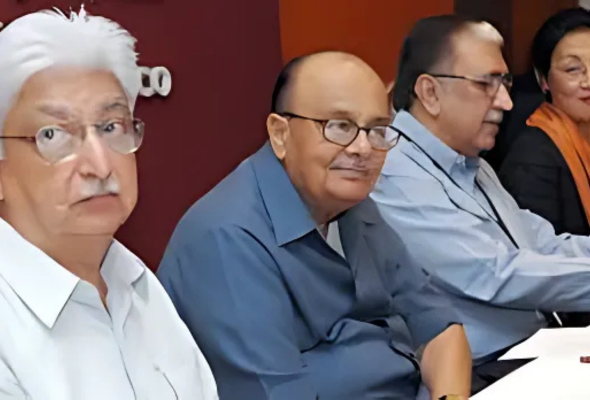
फिर से मुख्यमंत्री (दूसरा कार्यकाल)
1988 में, वह खरसिया से जीतकर राज्य की राजनीति में लौट आए और एक बार फिर मध्य प्रदेश के मुख्यमंत्री बने। उनका दूसरा कार्यकाल विशेष रूप से शिक्षा, स्वास्थ्य और ग्रामीण उत्थान के क्षेत्रों में उनके विकास के एजेंडे को जारी रखने के उद्देश्य से था। हालाँकि, विवादों के कारण उनका कार्यकाल छोटा हो गया, लेकिन उनके नेतृत्व का व्यापक रूप से सम्मान किया जाता रहा।
1991
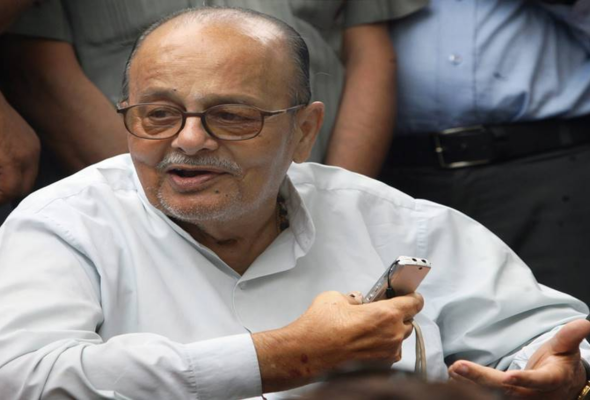
श्री पी. वी. नरसिम्हा राव के मंत्रिमंडल में मानव संसाधन विकास (HRD) मंत्री
श्री अर्जुन सिंह सतना से लोकसभा के लिए चुने गए और केंद्रीय मानव संसाधन विकास (HRD) मंत्री नियुक्त किए गए। इस कार्यकाल के दौरान, उन्होंने हाशिए के समुदायों के लिए गुणवत्तापूर्ण शिक्षा को सुलभ बनाने और केंद्रीय संस्थानों के पाठ्यक्रम और बुनियादी ढांचे में सुधार पर ध्यान केंद्रित करते हुए, दीर्घकालिक शैक्षिक सुधारों की नींव रखी।
2004
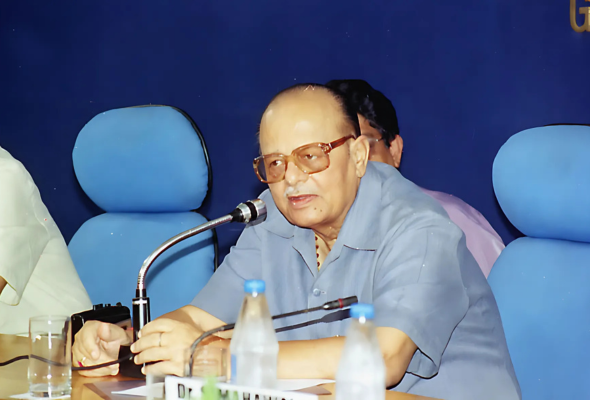
डॉ. मनमोहन सिंह के नेतृत्व में मानव संसाधन विकास (HRD) मंत्रालय में वापसी
संसद से बाहर रहने की एक संक्षिप्त अवधि के बाद, श्री अर्जुन सिंह को डॉ. मनमोहन सिंह के मंत्रिमंडल में फिर से केंद्रीय मानव संसाधन विकास मंत्री नियुक्त किया गया। उन्होंने इस अवसर का उपयोग उच्च शिक्षा में महत्वपूर्ण सुधारों को आगे बढ़ाने के लिए किया, जिसमें संस्थानों का विस्तार, बेहतर शिक्षक प्रशिक्षण कार्यक्रम और कुलीन संस्थानों में समावेशिता बढ़ाने के प्रयास शामिल थे।
2005
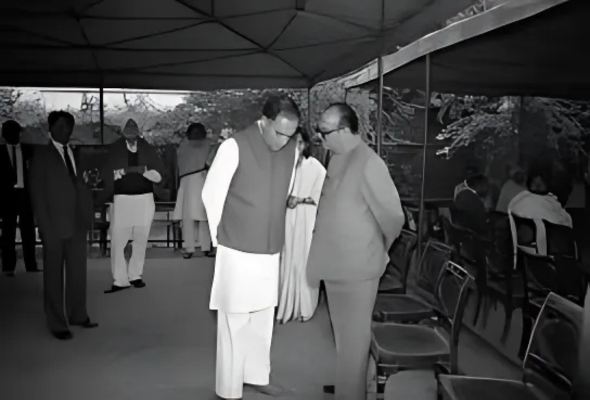
शिक्षा के माध्यम से सामाजिक न्याय की वकालत
श्री अर्जुन सिंह ने 93वें संविधान संशोधन का नेतृत्व किया और केंद्रीय शैक्षणिक संस्थान (प्रवेश में आरक्षण) अधिनियम, 2006 को पारित कराने में महत्वपूर्ण भूमिका निभाई। इस कानून ने आईआईटी (IIT), आईआईएम (IIM) और एम्स (AIIMS) जैसे केंद्रीय संस्थानों में अन्य पिछड़ा वर्ग (OBC) के लिए 27% आरक्षण लागू किया। उनके कदम कड़े विरोध और कानूनी चुनौतियों का सामना करने के बावजूद, भारत के शीर्ष शैक्षणिक संस्थानों को वंचित समुदायों के लिए अधिक प्रतिनिधि और सुलभ बनाने में सहायक थे।
2011
एक दिग्गज का निधन
श्री अर्जुन सिंह का 4 मार्च, 2011 को राज्यसभा सदस्य के रूप में कार्यरत रहते हुए निधन हो गया। उनकी मृत्यु ने एक लंबी और प्रभावशाली राजनीतिक यात्रा के अंत को चिह्नित किया जिसने भारतीय शासन, शिक्षा और सामाजिक समानता पर गहरी छाप छोड़ी। एक अनुभवी प्रशासक, सुधारक और वंचितों के चैंपियन के रूप में याद किए जाने वाले, उनकी विरासत भारत में नीतिगत विमर्श को प्रभावित करती रहती है।